Meetings
SBM's Annual Meeting & Scientific Sessions provides an excellent opportunity for attendees of all experience levels to participate in the highest caliber of professional programming devoted to research and practice in the field of behavioral medicine. Students, researchers, clinicians, and professionals in any career seeking to improve the health and well-being of others can find educational sessions and networking opportunities that fit their needs. The Annual Meeting provides an education-packed scientific program that allows more than 2,100 attendees to:
- Describe the role of behavioral medicine in today’s changing health care environment.
- Identify recent advances in behavioral interventions for health improvement.
- Discuss new and cutting-edge research and clinical data on interactions between health and behavior.
- Examine strategies for the application of evidence-based research in clinical practice and health programs.
- Evaluate new interdisciplinary approaches to education and training in behavioral medicine.
- Exchange scientific ideas on a cross-disciplinary level with colleagues.
Traditionally held in late March or April, the SBM Annual Meeting & Scientific Sessions typically consists of one pre-conference day for courses, followed by three days of scientific programming complete with poster sessions, an exhibit hall, paper presentations, research spotlights, symposia, panel discussions, master lectures, keynote addresses and several smaller networking sessions and breakfast roundtables.
Upcoming Annual Meetings

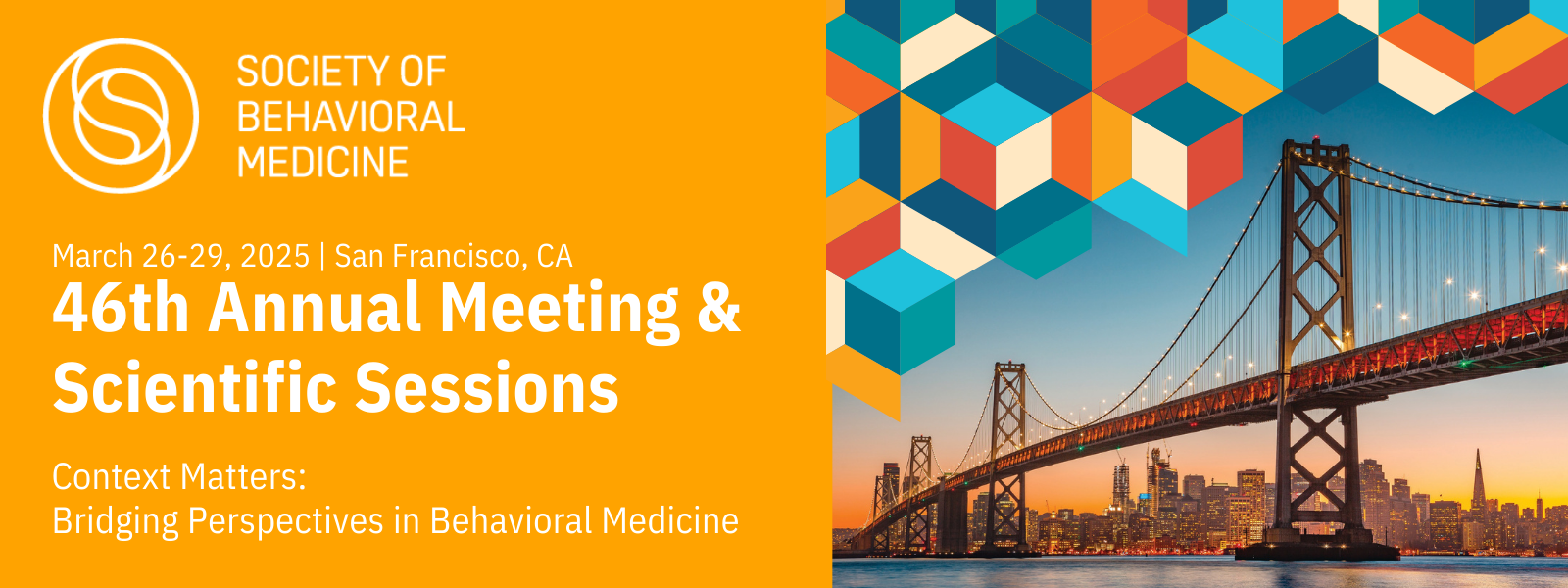
2025 Annual Meeting & Scientific Sessions
March 26-29, 2025
Hilton San Francisco Union Square
San Francisco, CA
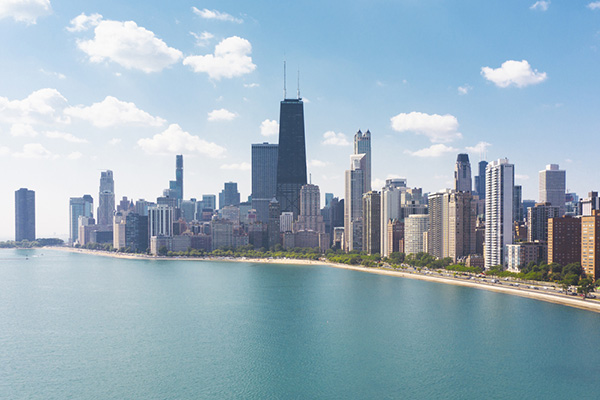
2026 Annual Meeting & Scientific Sessions
April 22-25, 2026
Hilton Chicago
Chicago, IL

2027 Annual Meeting & Scientific Sessions
April 14-17, 2027
Hilton Atlanta
Atlanta, GA
Past Annual Meetings
2024 Annual Meeting & Scientific Sessions
2023 Annual Meeting & Scientific Sessions
2022 Annual Meeting & Scientific Sessions
2021 Annual Meeting & Scientific Sessions
2020 Annual Meeting & Scientific Sessions
What you need to know
| How do I submit an abstract I’d like to present at the Annual Meeting? |
Abstracts must be submitted via the abstract website by the deadline, and submitters can designate for which type of presentation the abstract should be considered. There is no fee to submit an abstract. Abstracts that have been published or presented elsewhere prior to the time of submission may not be submitted for consideration by SBM. Paper abstracts submitted for presentation must be based on empirical research and report actual (not promised) results. Poster submissions, except for Works in Progress and Lessons Learned rapid communication posters, must also be based on empirical research and report actual (not promised) results. Abstracts for courses, panel discussions, and symposia may include empirical and/or non-empirical contributions.
|
|---|---|
| Who is eligible to submit an abstract and who can attend the Annual Meeting? |
SBM welcomes abstract submissions from both members and non-members. SBM members receive a discounted registration rate but non-member attendees are welcome to attend.
|
| When can I submit an abstract? |
The online abstract submission website typically opens in mid-July and remains open through early September. Abstracts will be reviewed after the submission deadline and submitters of accepted abstracts will be notified in early November.
|
| What is a rapid communication abstract and is it different from a regular abstract? |
Rapid communication abstracts may be submitted for consideration for a poster presentation only. Rapid communication posters offer the opportunity for presentation of late-breaking findings in the field of behavioral medicine. Additionally, “Works in Progress” (e.g., design and methods of a large clinical trial) and “Lessons Learned” (e.g., tips for other researchers) abstracts may be submitted as rapid communication posters. The rapid communication abstract submission website is typically open in mid-October. Submitters of accepted rapid communication posters will be notified approximately two months before the meeting.
|
| When and where can I register? | Registration for the Annual Meeting typically opens online in early November. |
| What is included in my registration fee and what is extra? |
The base Annual Meeting registration fee includes access to all live and on-demand sessions that do not require a ticket. Ticketed pre-conference sessions cost extra. Other extra items available for purchase include the fee for participation in the Stride for Science Run/Walk.
|
| Is the research presented at the Annual Meeting published? |
Abstracts of courses, symposia, panel discussions, papers, research spotlights, and posters presented at the Annual Meeting will be peer reviewed and published in the Annals of Behavioral Medicine Supplement.
|
| How will I know which sessions to attend? |
The preliminary schedule is posted to the Annual Meeting mobile app in January, providing the program schedule and other Annual Meeting information. The preliminary schedule also designates instructional levels to sessions with combinations of beginner, intermediate and advanced. This designation is merely a guide; all registered attendees may attend sessions of any instructional level. Sessions are also categorized by several different topic areas relevant to many different behavioral medicine specialties. The final program becomes available online a couple of weeks prior to the Annual Meeting and will be available to registered attendees.
|
| Does SBM provide any awards or discounts of any kind? |
SBM offers several Achievement Awards to members and non-members in order to recognize outstanding achievement and contribution to the field of behavioral medicine, which are presented at the Annual Meeting each year. Some of these awards offer a small grant or scholarship to cover the recipients’ attendance and/or educational expenses. SBM also accepts a minimal number of student volunteers each year who receive Annual Meeting registration reimbursement upon completing their volunteer duties. SBM also waives registration for first-time attendees from underrepresented groups, and offers discounted registration to individuals from low- or middle-income countries.
|
| What is the Annual Meeting cancellation policy? |
Any registration cancellations must be due to professional and/or personal/family health emergencies (including contracting COVID-19) and be made in writing directly to the SBM national office no later than one week following the final day of the conference (March 23, 2024, for the 2024 Annual Meeting). All cancellations are subject to a non-refundable $75 administrative fee. Refunds will be processed following the Annual Meeting.
|
| What COVID-19 precautions are in place at SBM's Annual Meeting? | SBM is committed to hosting a safe and engaging Annual Meeting. Attendance at any event now comes with some risk of contracting COVID-19. Effective for the 2024 Annual Meeting, SBM will NOT require or check attendees' COVID-19 vaccination status, however we strongly encourage attendees to be up-to-date on their COVID-19 vaccinations. SBM will NOT require negative COVID-19 tests, temperature checks, social distancing, or masks, however individuals are very welcome to wear masks if they would like to. All attendees must respect the mask choices of their fellow attendees. If an attendee tests positive for COVID-19 during the conference, SBM will not engage in contact tracing or notifications, however the individual should immediately isolate and is encouraged to let their close contacts know. SBM will have mini hand sanitizer bottles and masks (surgical and KN95) available for those who need them. Attendees are encouraged to travel with their own COVID-19 rapid test kits or to find a nearby testing location. |
| Does SBM have a policy about harassment or discrimination at its events? | Yes, SBM has zero tolerance for any form of harassment or discrimination at society meetings and events. Read our official policy here. Anyone who violates the policy can be removed from the event and can be banned from future SBM events. Anyone who experiences or witnesses discrimination or harassment is encouraged to report such conduct to SBM management. |
| How is SBM's Annual Meeting inclusive and accessible? | SBM’s meeting offers all-gender restrooms, the opportunity to note preferred pronouns on name badges, a free live captioning service, food that always includes a vegetarian option and has all ingredients labeled, a private nursing room, and a designated “quiet room” for prayer, meditation, or simply taking a break from the conference excitement. SBM also encourages all presenters to use inclusive language and shares inclusive language resources. The conference host hotel is mobility and hearing accessible, and compliant with the Americans with Disabilities Act (ADA). The hotel’s conference chairs are standard banquet chairs, usually set in theater rows, with additional space open in each conference room for standing, wheelchairs, etc. The conference run/walk event is also accessible, including a paved trail, accessible restrooms, and accessible shuttles. Individuals who need additional accommodations under the ADA should note this on their conference registration form. |
| Is SBM's Annual Meeting family-friendly? | Nursing mothers are welcome to breastfeed anywhere, and private nursing space is set aside every year for those who prefer it. Attendees are also welcome to bring children to conference sessions, and local SBM leaders can help identify childcare options if needed. |
| Traveling to conferences has an impact on the environment. What is SBM doing to reduce this? | A lot! SBM strives to address climate change in part by limiting the environmental impact of our events. Read more about our efforts here. |
| Is there a virtual or hybrid option for the Annual Meeting? |
No. SBM will not offer a hybrid meeting because members and attendees have told us in many surveys that they strongly prefer in-person events. Instead, approximately 25 research spotlights are recorded and made available on-demand. |
| How can I support the Annual Meeting? | Sponsorship, exhibiting and advertising opportunities are detailed on the Annual Meeting website. |
For all other inquiries, please contact the national office at (414) 918-3156 or info@sbm.org.