

Leadership
Board of Directors
Executive Committee
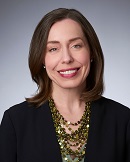
Ellen Beckjord, PhD, MPH, FSBM
President
VP of Population Health and Clinical Optimization at UPMC Health Plan
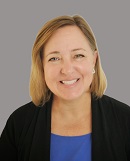
Christine Hunter, PhD, ABPP
President-Elect
Co-Director at C & C Hunter Consulting
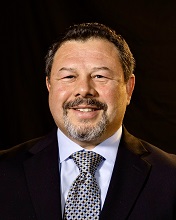
Bernard Fuemmeler, PhD, MPH, FSBM
Immediate Past President
Leadership Identification and Inclusion Committee Chair
Professor at Virginia Commonwealth University
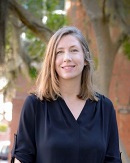
Megan McVay, PhD
Secretary/Treasurer
Finance Committee Chair
Assistant Professor at University of Florida
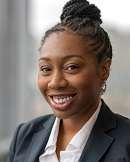
Courtney Bonner, PhD
Member Delegate
Senior Research Psychologist at RTI International
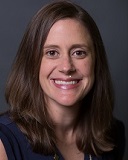
Joanna Buscemi, PhD
Member Delegate
Associate Professor at DePaul University
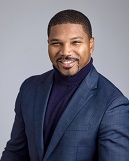
Charles Jonassaint, PhD, MHS
Member Delegate
Associate Professor at University of Pittsburgh
Council Chairs
Roger Figueroa, PhD
Advocacy Council Chair
Assistant Professor at Cornell University
Michael Diefenbach, PhD, FSBM
Development Council Chair
Professor at Northwell Health
Angela Pfammatter, PhD, FSBM
Membership Council Chair
Senior Methodologist, CEHHS; and Associate Professor of Public Health at University of Tennessee, Knoxville
Sharon Manne, PhD, FSBM
Professional Advancement Council Chair
Professor and Chief of Population Science at Rutgers Cancer Institute of New Jersey
Jun Ma, MD, PhD, FAHA, FSBM
Publications Council Chair
Beth and George Vitoux Professor of Medicine at University of Illinois at Chicago
Scherezade K. Mama, DrPH
Scientific Education Council Chair
Assistant Professor at The University of Texas MD Anderson Cancer Center
Councils
Advocacy Council
This council is responsible for advancing the society’s health policy priorities, including influencing legislation and fostering relationships with legislative officials. This council also oversees activities intended to advocate for inclusion of behavioral medicine in governmental or professional settings, including on special government taskforces and within other professional organizations.
Chair: Roger Figueroa, PhD, Assistant Professor at Cornell University
Development Council
This council is responsible for building and maintaining strong, long-lasting relationships with the business, nonprofit, government, and academic communities through the Proven Science—Better Health Giving Campaign as well as Affiliate, Annual Meeting, and Professional Home Partnerships. The council raises critical funding to forge a groundbreaking alliance of diverse populations in cutting-edge behavioral science, igniting academic excellence and corporate innovation.
Chair: Michael Diefenbach, PhD, FSBM, Professor at Northwell Health
Membership Council
This council is responsible for building and maintaining a multi-disciplinary membership of diverse behavioral medicine professionals. This council is responsible for the evaluation of applications for membership and the establishment of appropriate criteria for membership. This council oversees member recruitment and retention efforts, including into emerging areas and via special interest groups.
Chair: Angela Pfammatter, PhD, FSBM, Senior Methodologist, CEHHS; and Associate Professor of Public Health at University of Tennessee, Knoxville
Professional Advancement Council
This council is responsible for supporting members’ careers over their life course, via trainings, programs, networking, mentoring, and other opportunities such as leadership roles and award recognition. The council is responsible for identifying professional advancement needs, and recommending or overseeing services that address those needs.
Chair: Sharon Manne, PhD, FSBM, Professor and Chief of Population Science at Rutgers Cancer Institute of New Jersey
Publications Council
This council is responsible for disseminating the highest quality scientific information and literature to members, non-member health professionals, and the general public. This council includes oversight of Annals of Behavioral Medicine and Translational Behavioral Medicine. This council is also responsible for staying abreast of trends in scientific publishing.
Chair: Jun Ma, MD, PhD, FAHA, FSBM, Beth and George Vitoux Professor of Medicine at University of Illinois at Chicago
Scientific Education Council
This council is responsible for supporting members' scientific pursuits, via scientific education, trainings, and events, including the society's annual meeting. This council helps members advance their research and/or clinical practice by sharing best practices and by providing scientific presentation opportunities.
Chair: Scherezade K. Mama, DrPH, Assistant Professor at The University of Texas MD Anderson Cancer Center
Committees
Annual Meeting Planning Committee
This committee is charged with planning and execution of the society’s Annual Meeting.
Reports to: Scientific Education Council
Chair: Madalina Sucala, PhD, MBA
Co-Chair: Lorna H. McNeill, MPH, PhD, FSBM, Chair and Professor at University of Texas MD Anderson Cancer Center
Audit Committee
The Audit Committee is charged with receiving, reviewing, and recommending approval of the annual audit report from the auditors and ensuring that the full Board of Directors and the staff are aware of and responsive to any issues raised by the auditors.
Reports to: Executive Committee
Chair: Jamie L. Studts, PhD, FSBM, Professor at University of Colorado School of Medicine
Awards Committee
This committee is charged with soliciting and reviewing applications for society achievement awards and fellow status, with recommended recipients to be reviewed and approved by the Executive Committee acting for the Board. This committee may consult with and utilize other members and/or other councils or committees of the society in the review process. This committee is also charged with providing recommendations regarding awards policy and encouraging a diverse slate of applicants.
Reports to: Professional Advancement Council
Chair: Lila Rutten, PhD, MPH, Professor and Chair at Mayo Clinic
Diversity Institute for Emerging Leaders Committee
This committee is charged with planning and execution of the society’s Diversity Institute for Emerging Leaders.
Reports to: Professional Advancement Council
Chair: Frank J. Penedo, PhD, FSBM, Professor at University of Miami
Early Career Researcher Mentoring Program Committee
This committee is charged with planning and execution of the society’s Early Career Researcher Mentoring Program.
Reports to: Professional Advancement Council
Chair: Carina Nigg, PhD, Postdoctoral Scholar at University of Bern
Finance Committee
This committee is charged with making recommendations regarding society fiscal policy, including proposals regarding investment and management of society reserves. This committee also reviews the society budget annually, monitors income and expense trends, and can advise in advance of any proposed expenditures which are in excess of the budget or which might reasonably appear to become in excess of the budget.
Reports to: Executive Committee
Chair: Megan McVay, PhD, Assistant Professor at University of Florida
Gift Acceptance Committee
This committee is charged with reviewing gifts to the society that meet review requirements as described in SBM’s Policies, properly screening those gifts, and deciding acceptance or refusal. This committee’s review excludes sponsorships of society events or programs.
Reports to: Development Council
Chair: Michael Diefenbach, PhD, FSBM, Professor at Northwell Health
Industry Connections Committee
This committee is charged with connecting the society and its members to industry professionals and careers relevant to behavioral medicine. This committee’s tasks may include recruiting society members from industry, connecting society members who work in industry, advancing member careers in industry, sharing members’ science with industry professionals, and helping identify prospective industry sponsors for society events and programs.
Reports to: Membership Council
Chair: Cynthia Castro Sweet, PhD, FSBM, Senior Director of Clinical Research at Modern Health
Leadership Identification and Inclusion Committee
This committee is charged with soliciting and reviewing candidate nominations for elections of society Board of Directors’ officers, in accordance with SBM’s Bylaws and Policies. This committee shall ensure the society has a full slate of candidates for elections, while considering the diversity of the society’s membership. This committee shall also track volunteer engagement with the society in order to recognize volunteers and recommend individuals for volunteer roles.
Reports to: Professional Advancement Council
Chair: Bernard Fuemmeler, PhD, MPH, FSBM, Professor at Virginia Commonwealth University
Leadership Institute Committee
This committee is charged with planning and execution of the society’s Mid-Career Leadership Institute.
Reports to: Professional Advancement Council
Chair: Marian L. Fitzgibbon, PhD, FSBM, Professor at University of Illinois at Chicago
Organizational Partnerships Committee
This committee is charged with strategic oversight of the society’s organizational partnerships, including those managed by other society entities like special interest groups. The committee provides best practices and helps develop and foster relationships, joint interdisciplinary programs, and other connections or activities as appropriate.
Reports to: Advocacy Council
Chair: Leslie R.M. Hausmann, PhD, FSBM, Associate Professor of Medicine at VA Pittsburgh Healthcare System/University of Pittsburgh
Position Statements Committee
This committee is charged with developing society health policy positions to be reviewed and approved by the Executive Committee acting for the Board. These shall highlight the contributions of behavioral medicine in advancing healthcare and public health.
Reports to: Advocacy Council
Chair: Megan J. Shen, PhD, FSBM, Associate Professor at Fred Hutchinson Cancer Research Center
Public Education Committee
This committee is charged with helping members engage in science communication to the general public. This committee’s tasks may include hosting “sci comm” trainings, providing sci comm guidance, and removing sci comm participation barriers. This committee will also oversee the society’s Healthy Living section.
Reports to: Publications Council
Chair: Alicia Dahl, PhD, Assistant Professor at University of North Carolina at Charlotte
Special Interest Groups Committee
This committee is charged with supporting the chairs of the society’s special interest groups as they advance the society’s mission, connect members from scientific specialties of the international behavioral medicine community, develop scientific activities in specific fields and specialties, and foster joint interdisciplinary programs and services with other professional organizations.
Reports to: Membership Council
Chair: Melissa Little, PhD, MPH, FSBM, Associate Professor at University of Virginia
Special Interest Groups Renewals Committee
This committee is charged with reviewing SIG renewal applications and making recommendations to the society Board of Directors. This committee also reviews SIG annual reports and suggests improvements to SIG leadership.
Reports to: Membership Council
Chair: Diane Ehlers, PhD, Associate Professor at Mayo Clinic